Ready for the Feel Gut Weeks?

Up to 12 bottles FREE: DISCOVER NOW

--

Days

--

Hours

--

Mins

--

Secs
Login

– Before you continue reading –

Not only do we know almost everything about kombucha, we also brew it!

Our 8-times award-winning Raw Kombucha combines millions of active cultures with smart organic ingredients and vitamin C. Thirsty yet? Visit our shop and see for yourself!

Try Kombuchery
Editorial Note: This article deals with general scientific findings on kombucha and not with Kombuchery products. Scientific findings and study results are not automatically transferable to individual foods or products. The article does not replace medical or nutritional advice and is not to be understood as a health-related statement about specific foods or products.

The content is based on scientific literature, publicly available sources, and the author's assessment, and does not claim to be exhaustive. New studies may confirm, supplement, restrict, or refute existing findings. Scientific publications should therefore always be considered in the overall context of the available evidence.

Studies generally refer to the specific conditions, ingredients, microorganisms, dosages, manufacturing processes, and groups of people investigated. The presented results cannot therefore be readily transferred to other foods, recipes, manufacturing processes, or products.

No statements about the effects, properties, or health benefits of specific foods or products can be derived from the information presented.

Health-related claims for foods in the European Union are subject to the applicable legal requirements. The presentation of scientific research is therefore not to be equated with a permissible health-related claim about a food or product.

If you would like to delve deeper into a topic, we recommend consulting the scientific sources linked in the article and other independent specialist literature to gain as comprehensive an understanding as possible of the current state of research.

Immune System in Winter: These Factors Play a Role in Everyday Life

Our immune system is active every day. Factors such as a balanced diet, sufficient sleep, exercise, and adequate intake of certain nutrients can contribute to its normal function. Here is an overview of six practical tips for everyday life.

Our immune system protects the body against pathogens and includes various innate and acquired defense mechanisms. Lymphocytes, especially B cells and T cells, play an important role. B lymphocytes can produce antibodies and develop memory cells that help recognize certain pathogens again upon re-exposure. T lymphocytes support the immune response and can recognize and eliminate infected body cells. The immune system changes with age. A balanced diet and a healthy lifestyle are important foundations for everyday life. What else can you do to support the normal function of your immune system? Here are six simple tips.

1. Vitamin D

The body can produce vitamin D in the skin under the influence of UV-B radiation, and it can also be obtained through certain foods. Vitamin D contributes to the normal function of the immune system. Whether taking additional vitamin D through supplements is advisable or necessary depends on individual needs and should be discussed with a professional if in doubt.

Sunlight shines through an opening between hands

2. Avoid Stress and Get Enough Sleep

Prolonged stress can take a toll on everyday life and personal well-being. Regular rest, sufficient sleep, exercise, and a balanced diet are therefore important components of a balanced lifestyle. Especially during stressful periods, it is worth paying attention to regular meals, sufficient sleep, and a balanced supply of important nutrients. How much sleep each person needs varies from person to person; regular and sufficient periods of rest are especially important.

You Can Try This in Your Everyday Life

1. Reduce chronic stress

2. Improve sleep with these habits:

  • Maintain regular sleep-wake times
  • Reduce caffeine, especially in the hours before bedtime
  • Avoid eating very large meals immediately before bedtime
  • Reduce exposure to bright light and intensive screen use in the evening if they keep you awake
Hands hold a cup of coffee on a linen tablecloth

3. Healthy Eating

A varied and balanced diet with fruit, vegetables, whole grains, legumes, and other nutrient-rich foods is an important part of a healthy lifestyle. High-fiber foods such as vegetables, fruit, legumes, and whole grains also contribute to normal digestion.

Foods for a Varied Nutrient Supply

  • Eat a predominantly plant-based diet and include a variety of vegetables and fruits
  • Try foods with bitter compounds, such as arugula, chicory, artichokes, Brussels sprouts, savoy cabbage, coriander, sage, and dandelion
  • Incorporate fermented and high-fiber foods into your diet—for example, vegetables, sauerkraut, yogurt, or water kefir. Kombucha can also add variety. The composition varies depending on the product; fermented foods are not automatically probiotic or proven to strengthen the immune system.
  • Drink enough water: Fluid requirements depend on factors such as activity, temperature, diet, and individual needs. A fixed amount of water per kilogram of body weight is not suitable for everyone.
  • Do not make fast food and highly processed foods the basis of your daily diet
  • Pay attention to healthy fats and protein sources, such as nuts, seeds, plant oils, and legumes
  • Choose the whole-grain version of rice, bread, and pasta more often
  • Avoid too much salt and add variety to dishes with spices such as turmeric and ginger
Top-down view of bowls with fresh vegetables, arugula, and millet

4. Moderate Exercise

Regular exercise is part of a balanced and active lifestyle. During exercise, various physiological processes change temporarily, including the distribution of certain immune cells in the blood. The key is to choose an intensity that suits your fitness level and allows enough time for recovery. Suitable options include walking, cycling, swimming, jogging, yoga, or Pilates.

Suitable options include endurance sports such as jogging, swimming, or cycling, as well as yoga or Pilates. You do not need to train intensely to incorporate exercise into your everyday life: Regular walks are also a good start. If you have a fever or an acute illness, you should avoid strenuous exercise.

Woman doing yoga on a yoga mat outdoors

5. Vitamin C

Vitamin C, also known as ascorbic acid, is an essential vitamin that the body must obtain through diet. Vitamin C contributes to the normal function of the immune system and helps protect cells from oxidative stress. Good sources of vitamin C include various fruits and vegetables. Particularly rich in vitamin C are:

  • Red bell pepper
  • Brussels sprouts
  • Kale
  • Broccoli
  • Cauliflower
  • Kohlrabi
  • Red cabbage
  • Spinach

Vitamin C is sensitive to heat and can be partially lost during storage and preparation. Gentle preparation and short cooking times can therefore help limit vitamin loss. Fresh fruit and raw vegetables can also contribute to your vitamin C intake.

Fresh lemons in a wooden bowl on a linen cloth

6. Sauna and Contrast Baths

For many people, using a sauna or taking contrast showers can be part of a mindful wellness and relaxation routine. They can be perceived as relaxing and can help you consciously take time to rest. However, this does not provide a blanket guarantee of protection against colds or a guaranteed boost to the immune system. Pay attention to your well-being, get enough rest, and choose a temperature that is comfortable for you. If you have cardiovascular disease or other health conditions, consult a doctor before exposing yourself to intense temperature changes.

Peaceful retreat in nature with a small house by a fjord

The Essentials at a Glance: 6 Tips for the Immune System in Winter

  • Vitamin D: Contributes to the normal function of the immune system. Whether supplementation is advisable depends on individual needs.
  • Stress and sleep: Regular periods of rest and sufficient sleep support a healthy lifestyle.
  • Diet: Vegetables, fruit, whole grains, legumes, and other nutrient-rich foods provide a good foundation.
  • Exercise: Regular activity tailored to your fitness level is part of a healthy lifestyle.
  • Vitamin C: Important for normal immune function and found in foods such as bell peppers, cabbage, and citrus fruits.
  • Sauna and contrast showers: Can promote relaxation but do not guarantee protection against infections.

Frequently Asked Questions About the Immune System in Winter

How can I support my immune system in winter?

A balanced diet, sufficient sleep, regular exercise, and periods of rest are important foundations. Good hand hygiene and regular ventilation can also help reduce the risk of infection. No single measure can guarantee that you will not get sick.

Which vitamins are important for the immune system?

Vitamin C and vitamin D contribute to the normal function of the immune system. Other nutrients, including zinc, vitamin A, vitamin B6, vitamin B12, folate, iron, and selenium, also perform important functions. Adequate intake is key. Dietary supplements are not automatically necessary if your diet meets your requirements.

Does kombucha help the immune system?

Kombucha is a fermented drink whose composition varies depending on how it is made and the product itself. It can be part of a varied diet. However, this does not mean that kombucha strengthens the immune system or protects against colds.

Does a sauna protect against colds?

Using a sauna can be perceived as relaxing and can be part of a wellness routine. However, this does not guarantee protection against colds. Individual tolerance and appropriate use are important.
Recommended articles for you

More of my articles, from A, like alcohol-free kombucha cocktails, to Z, like lemon-ginger kombucha, can be found on our Kombuchery blog. Let's learn more about kombucha together!

View all

Fermentierte Lebensmittel im Winter: Welche Zutaten haben Saison?

Fermentierte Lebensmittel im Winter: Welche Zutaten haben Saison?

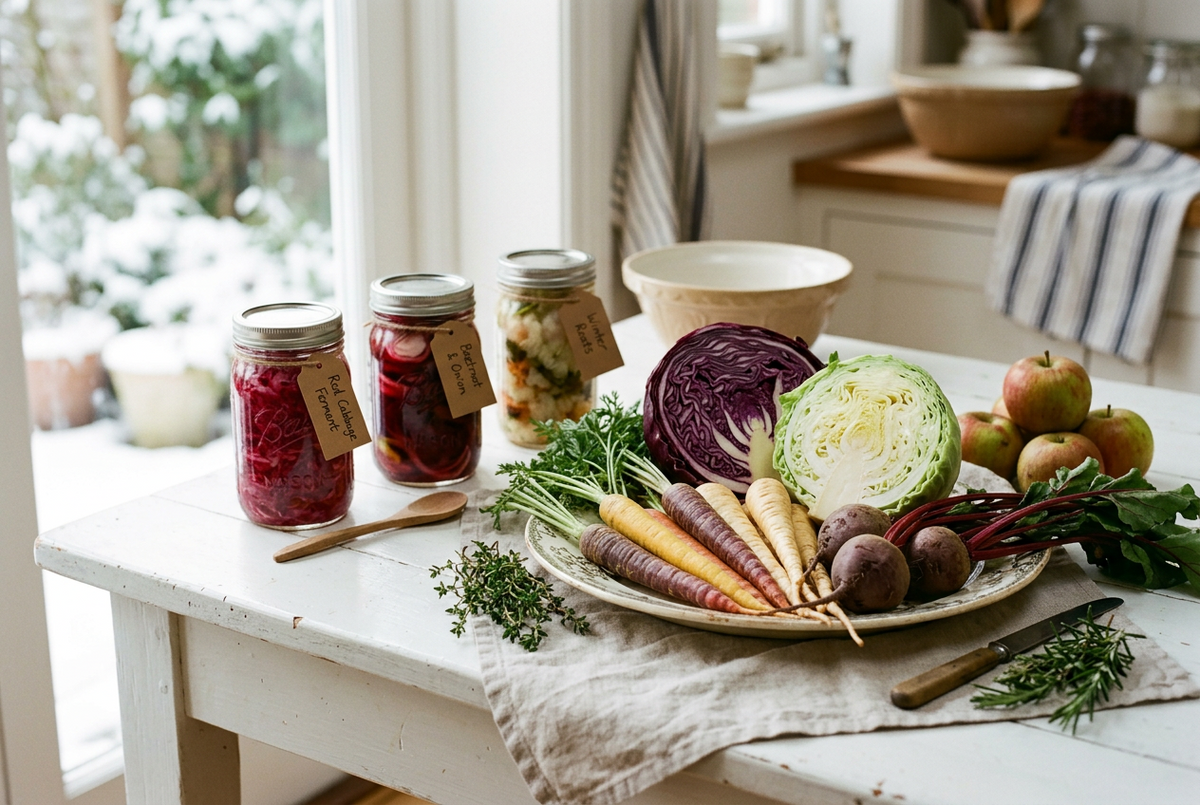
Wenn es draußen kälter wird, verändert sich auch die Auswahl an frischen Zutaten in der Küche. Statt sommerlicher Tomaten und Zucchini stehen jetzt Kohl, Karotten, Rote Bete und Wurzelgemüse im Mittelpunkt. Viele dieser Zutaten lassen sich wunderbar fermentieren und bringen...

Read moreabout Fermentierte Lebensmittel im Winter: Welche Zutaten haben Saison?

Warum enthält Kombucha Zucker, obwohl er fermentiert wird?

Why does kombucha contain sugar even though it is fermented?

You may have already wondered: Why does kombucha contain sugar even though it is fermented? After all, some of the sugar is converted by yeasts and bacteria during fermentation. But it doesn't have to disappear completely. In this article, you...

Read moreabout Why does kombucha contain sugar even though it is fermented?

Kombucha Ginger im Porträt: Wie schmeckt Ingwer-Kombucha?

Kombucha Ginger in Focus: What Does Ginger Kombucha Taste Like?

You like ginger and are wondering what it tastes like in kombucha? Then you will discover an exciting combination here: ginger kombucha combines the characteristic taste of fermented tea with the spicy note of ginger. The result is a drink...

Read moreabout Kombucha Ginger in Focus: What Does Ginger Kombucha Taste Like?

Was ist Raw Kombucha? Der Unterschied zu pasteurisiertem Kombucha

What is raw kombucha? The difference compared to pasteurized kombucha

You've heard of raw kombucha before, but you're not sure what it is? Then you've come to the right place! There is an important difference when it comes to kombucha: some varieties are pasteurized after fermentation, while others remain raw....

Read moreabout What is raw kombucha? The difference compared to pasteurized kombucha

Herbstliche Kombucha-Rezepte: 5 Ideen mit Apfel, Birne und Gewürzen

Autumn Kombucha Recipes: 5 Ideas with Apple, Pear, and Spices

When the days get shorter, the air outside smells of autumn, and we make ourselves cozy at home, a little autumn can also move into the glass. 🍂 How about fruity apple, juicy pear, a pinch of cinnamon, and a...

Read moreabout Autumn Kombucha Recipes: 5 Ideas with Apple, Pear, and Spices

Mate Tee Trinkhalm Mateteegefaess

Mate Kombucha: What you should know about mate tea, caffeine, and yerba mate

Mate tea meets kombucha Mate and kombucha can be combined for an exciting flavor profile: the characteristically bitter, slightly smoky taste of mate meets the typical sweet-tart note of fermented kombucha. Mate tea has a long tradition, especially in South...

Read moreabout Mate Kombucha: What you should know about mate tea, caffeine, and yerba mate

Schwangere Frau im Anschnitt grosser Bauch Wiese Abendsonne

Is kombucha suitable for pregnant women and children? All about the alcohol content

Who should drink kombucha? Kombucha is a fermented tea drink. Fermentation can produce small amounts of alcohol. Depending on the tea used, kombucha may also contain caffeine. But how is alcohol actually produced in kombucha? How high can the alcohol...

Read moreabout Is kombucha suitable for pregnant women and children? All about the alcohol content

Warum kann Kombucha Alkohol enthalten? Alle Fragen zum Alkoholgehalt im Überblick

Why Can Kombucha Contain Alcohol? All Your Questions About Alcohol Content Answered

How is alcohol formed in kombucha? Is there kombucha without alcohol? Can pregnant women drink kombucha? Can I make alcohol-free kombucha? All your questions about kombucha and alcohol answered here!

Read moreabout Why Can Kombucha Contain Alcohol? All Your Questions About Alcohol Content Answered

10 Fakten zu Kombucha kaufen oder selber brauen Inhaltsstoffe

Fermented Tea Drink – 10 Interesting Kombucha Facts

What You Should Also Know About Kombucha 1. Kombucha Shelf Life How long kombucha lasts depends on how it is made, bottled, and stored. Because of this, it is not possible to give a general shelf life of several months...

Read moreabout Fermented Tea Drink – 10 Interesting Kombucha Facts

¹at the time of bottling
²Vitamin C contributes to the normal function of the immune system, normal energy-yielding metabolism, and the protection of cells from oxidative stress.
  • Vitamin C contributes to the normal function of the immune system.
  • Vitamin C contributes to normal psychological function.
  • Vitamin C contributes to normal energy-yielding metabolism.
  • Vitamin C contributes to the reduction of tiredness and fatigue.
  • Vitamin C contributes to the normal functioning of the nervous system.
  • Vitamin C contributes to the protection of cells from oxidative stress.
  • Vitamin C contributes to the regeneration of the reduced form of vitamin E.
  • Vitamin C contributes to normal collagen formation for the normal function of the skin.
  • Vitamin C contributes to normal collagen formation for the normal function of blood vessels.
  • Vitamin C contributes to normal collagen formation for the normal function of bones, cartilage, teeth and gums.
  • Vitamin C increases iron absorption.